
Turn Career Fair Conversations Into Opportunities. Get the Career Fair Kit. Click here.
AI in Career Services: How Colleges Should Use Automation in 2026
Share this article
In this article


Introducing The Write Way: Your Weekly Career Innovation Digest
Join 1,000+ career services professionals who receive industry news, the latest trends, and insights on AI every single week straight to their inbox.
Higher education is entering a new era in 2026. Students want faster guidance, more clarity, and support that fits their schedules. Employers expect graduates who understand AI, hybrid work, and emerging skill demands. Leadership wants proof of outcomes and greater visibility across programs.
Career services sits in the middle of all of this.
AI has shifted from a future conversation to a present reality. It is becoming the backbone of scalable student support. Not because it replaces advisors, but because it strengthens the systems those advisors rely on. AI creates the consistency, capacity, and clarity that modern career centers need.
This article explores the most important AI trends shaping career services in 2026, the strongest use cases, the benefits and limitations, and a practical roadmap for adoption.
Insights are grounded in the latest research from EDUCAUSE, Brookings Institution, McKinsey, the World Economic Forum and recent studies on AI-driven advising.
The AI Trends Reshaping Higher Ed Career Services in 2026
According to the 2025 EDUCAUSE AI Landscape Study, institutions are moving from experimentation into structured, campus-wide AI strategy (EDUCAUSE, 2025). Career services is one of the fastest-growing areas for student-facing AI adoption.
Below are the major trends shaping 2026.
Predictive Analytics for Student Pathways
Predictive analytics is helping colleges identify student needs earlier, connect academic choices to career outcomes, and reduce risk for those who may fall behind. Brookings Institution notes that when predictive models are used with proper oversight, they help institutions make smarter decisions and better support students at scale (Brookings Institution, 2025).
These systems connect skills, coursework, job trends, and pathways in ways that create more proactive advising. Career teams gain early visibility into patterns they could not see before.
Personalized AI Coaching and 24/7 Support
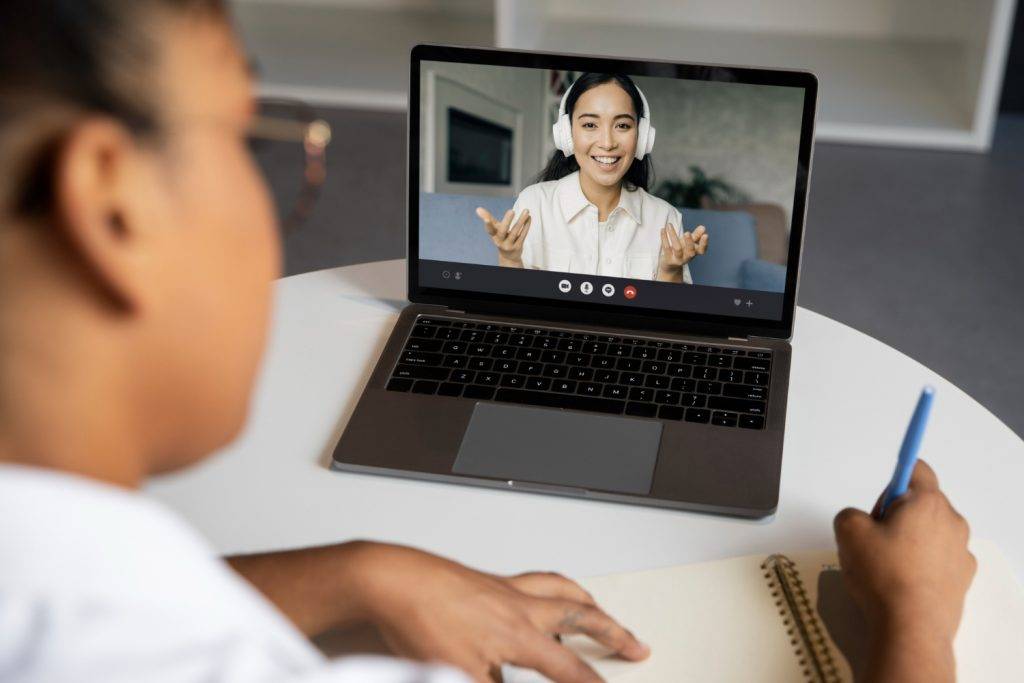
The EDUCAUSE Future of AI in Higher Education report highlights AI copilots, chat assistants, and coaching bots as top areas for 2026 adoption (EDUCAUSE, 2024). Students want immediate responses to resume questions, interview prep, job searches, and application advice.
Recent research on AI-driven academic advising found that intelligent systems improved satisfaction and retention when paired with human coaching (Mogoale et al., 2025). AI handles repetitive questions so advisors can focus on deeper, more strategic conversations.
AI-Powered Career Readiness Tools
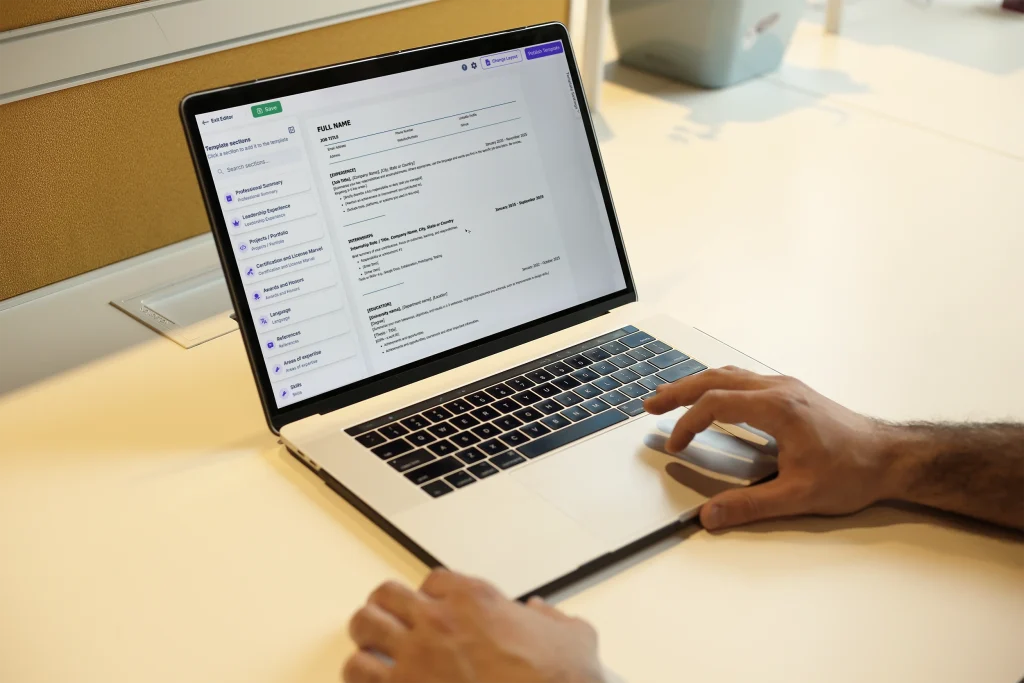
Students expect personalization and speed. AI resume builders designed for universities help maintain formatting consistency, reflect institutional competencies, and speed up revision cycles. Automated review tools allow students to improve their resumes without waiting days for feedback.
These tools are most effective when aligned with program standards, rubrics, and employer expectations.
WriteSea’s AI-powered career readiness platform supports this shift by offering tools that follow institutional rules, standardize quality, and make outcomes visible.
Explore the full platform here.
Virtual Internships and Job Matching
Hybrid and remote work continue to expand across industries. The World Economic Forum’s Future of Jobs Report shows that AI, analytical thinking, and digital communication remain top skills for the global workforce in 2025 and 2026 (World Economic Forum, 2025).
AI supports this shift through role matching, skills-to-job alignment, and personalized opportunity recommendations. Career centers can surface more equitable, accessible internships, especially for students balancing work, caregiving, or transportation challenges.
Labor Market Intelligence and Employer Data
McKinsey’s research on AI and future work highlights rapid changes in skill requirements, job functions, and AI-augmented roles (McKinsey and Company, 2024). Institutions that align their programs with these trends strengthen employability outcomes.
AI tools that track job market shifts, employer patterns, and posting frequency help advisors provide more realistic, timely guidance. This supports clearer program-to-career mapping and enhances institutional planning.
Key AI Use Cases Career Centers Should Prioritize
Not every AI use case adds equal value. The strongest ones for 2026 are those that extend support, increase visibility, and reduce manual work.
1. AI Coaching for Common Career Questions
Students often need quick help on tasks like resume phrasing, interview practice, or job search strategy. AI provides immediate support while ensuring consistency. Advisors gain more time for the conversations that require emotional intelligence, nuance, and mentorship.
2. Predictive Career Pathing
Predictive systems help identify which career paths best fit a student’s strengths, interests, and coursework. They also flag early signs of misalignment or disengagement.
When used ethically, these models help close equity gaps by surfacing students who may not actively seek support (Brookings Institution, 2025).
3. AI Resume Builders for Universities
Generic resume tools conflict with departmental rules. AI tools designed for higher education solve this by:
- Maintaining formatting consistency
- Reflecting program requirements
- Highlighting competencies tied to employer needs
- Reducing staff burden
Students produce better documents, faster.
4. Virtual Job Matching and Opportunity Discovery
AI job matching enhances access to opportunities that align with skills rather than job titles alone. This broadens career pathways and supports underserved student groups.
Benefits and Challenges of AI in Career Services
AI adoption is powerful, but it requires thoughtful implementation.
Benefits
Scalability: Serve more students without reducing quality.
Equity: Reduce the impact of inconsistent access to advising.
Clarity: Provide real-time insights about student progress and outcomes.
Consistency: Deliver accurate, structured advice every time.
Efficiency: Automate repetitive tasks so staff can focus on mentoring.
Challenges
Bias: Predictive tools require continuous monitoring.
Data Privacy: Institutions must maintain strict governance.
Training: Staff and students need clear guidance.
Trust: Students must understand how AI supports them.
AI works best when it extends human capacity. Human advisors remain essential for complex, emotional, or sensitive conversations. AI strengthens the systems around those advisors.
Implementation Roadmap for 2026
Grounded in EDUCAUSE recommendations and emerging research, here is a practical roadmap for career centers.
Step 1: Audit Your Current Workflows
Identify where time is lost, where students wait for support, and where inconsistency appears. Resume review queues and repetitive advising questions are common bottlenecks.
Step 2: Choose AI Tools Designed for Higher Education
Look for tools that offer:
- Custom rules
- FERPA compliance
- Rubric-based feedback
- Accurate analytics
- Clean student UX
- Simple integration
Step 3: Pilot With One Program
Launch with a specific cohort such as Business or Engineering. Collect feedback, measure outcomes, and refine your approach.
Step 4: Train Staff and Students
Adoption depends on clarity. Staff should know exactly how AI supports their work. Students should understand when to use AI versus meeting with an advisor.
Step 5: Scale Across Campus
Expand once the model proves effective. Standard templates, automated mock interviews, and clear analytics help unify experiences across departments.
The Future of AI in Career Services
AI will be embedded in nearly every stage of the student journey by 2026. Students will expect support on demand. Employers will expect graduates who can use AI tools. Leadership will expect clear evidence of outcomes.
Career services will continue to be a human profession at its core. AI simply extends the reach, consistency, and visibility of that work.
The institutions that thrive will be those that use AI intentionally to enhance connection, improve quality, and create equitable career pathways for all students.
Transform Your Career Center With WriteSea
WriteSea’s AI-powered career readiness platform is designed for institutions that want scalable student support, standardized tools, and real-time insights.
Explore how WriteSea helps teams deliver consistent, high-quality guidance.
Book Your Free Demo
See how WriteSea can help your team re-engage students, track real outcomes, and automate outreach—without the manual lift.
Subscribe to The Write Way
Get weekly strategies, insights, and pro tips—so your team can stay ahead without burning out.
References
- Brookings Institution. (2025). Using AI to Predict Student Success in Higher Education. Available at: https://www.brookings.edu/articles/using-ai-to-predict-student-success-in-higher-education/
- EDUCAUSE. (2025). 2025 EDUCAUSE AI Landscape Study. Available at: https://library.educause.edu/resources/2025/2/2025-educause-ai-landscape-study
- EDUCAUSE. (2024). The Future of AI in Higher Education. Available at: https://www.educause.edu/ecar/research-publications/2024/2024-educause-ai-landscape-study/the-future-of-ai-in-higher-education
- McKinsey and Company. (2024). Generative AI and the Future of Work in America. Available at: https://www.mckinsey.com/mgi/our-research/generative-ai-and-the-future-of-work-in-america
- Mogoale, T., Khan, M., Umar, M., Soomro, A. & Ali, O. (2025). AI-Driven Academic Advising in Higher Education: Personalizing Student Support. Available at: https://www.researchgate.net/publication/390881539
- World Economic Forum. (2025). The Future of Jobs Report 2025. Available at: https://www.weforum.org/publications/the-future-of-jobs-report-2025/

Leander Howard II
Leander Howard II is the Co-Founder and Chief Marketing Officer at WriteSea, an AI-powered career services platform transforming how students and job seekers navigate their professional journey. With a background in marketing, finance, and career coaching, Leander brings a unique blend of industry insight and entrepreneurial drive to the higher education space. He’s a passionate advocate for equitable access to career readiness tools and believes career support should be embedded across every student touchpoint. A Georgia State University alumnus, Leander is based in Tulsa, Oklahoma. Outside of work, he enjoys podcasting, running, and spending time with family and friends.