WriteSea

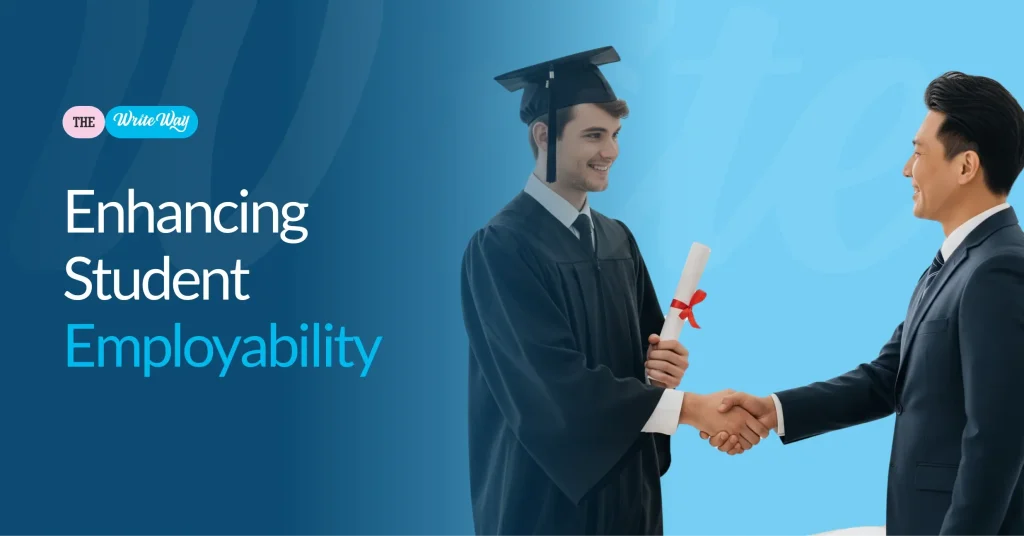
Enhancing Student Employability

Strategies for Career Services Teams

Share this article

Enhancing student Employ 25 1

Table of Contents

Introducing The Write Way: Your Weekly Career Innovation Digest

Join 1,000+ career services professionals who receive industry news, the latest trends, and insights on AI every single week straight to their inbox.

New Banner 9
Welcome to the first installment of our two-part blog series on enhancing student employability. In this series, we’ll explore comprehensive strategies for Career Services Professionals (CSPs) to equip students with the tools they need to thrive in today’s dynamic job market.
 
In today’s fiercely competitive job market, student employability has evolved from a mere buzzword to a critical concern for higher education institutions. As students invest substantial time and resources into their education, their ultimate goal remains steadfast: to secure meaningful employment that aligns with their skills, interests, and aspirations. Career Services Professionals (CSPs) stand at the forefront of this challenge, playing a pivotal role in equipping students with the essential skills, knowledge, and experiences necessary to thrive in their chosen career paths.
 
The landscape of employment is rapidly changing. According to the World Economic Forum’s Future of Jobs Report 2020, 85 million jobs may be displaced by 2025 due to a shift in the division of labor between humans and machines. Simultaneously, 97 million new roles may emerge that are more adapted to this new division. This dynamic shift underscores the critical importance of career services in bridging the gap between academic achievement and career success, ensuring that graduates are not only job-ready but also competitive in an increasingly complex and evolving job market.
 
In this first part of our series, we’ll delve into the foundations of student employability and explore key strategies for skill assessment, development, and application optimization. Part two will build on these concepts, focusing on advanced techniques and future trends in career services. Let’s begin our journey towards empowering the next generation of professionals.

Understanding Student Employability

At its core, student employability refers to a comprehensive set of achievements, hard skills, soft skills, and personal attributes that enhance a graduate’s likelihood of gaining employment and finding success in their chosen occupations. It’s a multifaceted concept that extends far beyond the mere ability to secure a job; it encompasses the capacity to contribute meaningfully to the workplace and society at large. By understanding these key elements, students can leverage career services to tailor their support needs, thereby maximizing their potential for success.
 
Career services departments are uniquely positioned to bridge the gap between academic learning and real-world application. Their CSPs are tasked with nurturing well-rounded professionals who can adapt to the ever-changing demands of the job market.
 
A report by the National Association of Colleges and Employers (NACE) highlighted that employers consistently rank problem-solving skills, ability to work in a team, and communication skills as the most important attributes in job candidates. By focusing on the entirety of employability, career services help students develop a holistic skill set that includes technical proficiency, soft skills, and a deep understanding of their chosen industries.

Skill Assessment and Development

One of the most critical functions of career services is to help students identify and address their skill gaps. Accurate skill assessment is the foundation upon which effective career development is built. To this end, career services can implement a variety of tools and methods including:
 
1. Comprehensive Skills Audits: Utilizing online platforms or in-person assessments, students can evaluate their current skill levels across various domains, including technical skills, soft skills, and industry-specific competencies.
 
2. Consistent & Regular Feedback Sessions: Organizing one-on-one meetings with career advisors allows for personalized skill gap analysis and tailored development plans.
 
3. Industry-Aligned Skill Matrices: Developing and maintaining up-to-date skill matrices for different career paths helps students understand the specific competencies valued in their target industries.
 
Once skill gaps are identified, career services can offer targeted development opportunities such as:
 
1. Skill-Specific Workshops: Organizing workshops focused on high-demand skills such as data analysis, project management, or public speaking.
 
2. Online Learning Partnerships: Collaborating with e-learning platforms to provide students with access to courses that address specific skill deficiencies.
 
3. Peer-to-Peer Skill Sharing: Facilitating student-led skill-sharing sessions to foster a culture of continuous learning and development.
 
The benefits of continuous skill assessment and targeted development are manifold. Students become more self-aware, proactive in their learning, and better equipped to articulate their strengths to potential employers. Moreover, this approach ensures that students are constantly evolving to meet the changing demands of their chosen industries.

Optimizing Application Materials

In the digital age, where recruiters often spend mere seconds scanning resumes, the importance of well-crafted application materials cannot be overstated. Most students are inexperienced with formulating resumes that translate their collegiate journey into relevant real world skills and experiences. This is where career services plays a pivotal role in helping students create compelling resumes and cover letters that effectively showcase their skills and experiences.
 
The top five best practices that most career advisors share with their student for optimizing application materials include:
 
1. Tailored Content: Encouraging students to customize their resumes and cover letters for each application, emphasizing relevant skills and experiences.
 
2. Achievement-Focused Language: Teaching students to use action verbs and quantifiable achievements to demonstrate their impact and potential value to employers.
 
3. ATS-Friendly Formatting: Educating students on the importance of using Applicant Tracking System (ATS) friendly formats to ensure their resumes pass initial screening processes.
 
4. Professional Branding: Assisting students in developing a consistent personal brand across all application materials and online profiles.

Hands-On Application Support

Career services can provide hands-on support to students as they navigate the application process, ensuring their materials not only meet industry standards but also stand out in a competitive job market. This can be achieved through several targeted initiatives including:
 
1. Resume Clinics: Hosting regular sessions where students can receive personalized feedback on their resumes from career advisors or industry professionals. These clinics provide students with expert insights on how to tailor their resumes for specific industries and highlight their most relevant experiences.
 
2. Cover Letter Workshops: Offering interactive workshops that guide students through the process of crafting compelling cover letters. These sessions can focus on structure, content, and techniques for personalizing cover letters to stand out to potential employers.
 
3. Online Resource Libraries: Maintaining a curated collection of resume templates, cover letter examples, and best practice guides accessible to all students. This digital repository allows students to access high-quality resources at their convenience, supporting self-directed learning and improvement.
 
4. Career Mobility Tools: Providing access to advanced career mobility platforms like WriteSea’s Job Search Genius. This innovative tool offers AI-powered resume optimization, personalized job matching, and interview preparation resources. Job Search Genius adds significant value by streamlining the job search process, enhancing the quality of application materials, and increasing students’ visibility to potential employers.
 
By providing these targeted services, resources, and cutting-edge tools, career services departments can dramatically improve students’ chances of securing interviews and, ultimately, job offers. The combination of expert guidance, practical workshops, accessible resources, and innovative technology creates a comprehensive support system that empowers students to present themselves effectively in the competitive job market and achieve their career goals.

Personalized Career Guidance

In today’s dynamic job market, career trajectories are increasingly non-linear. The traditional concept of a straightforward, ladder-like career progression is giving way to more complex, multifaceted paths that often involve career changes, industry shifts, and the acquisition of diverse skill sets. This evolution in career development necessitates a more nuanced and personalized approach to career guidance.
 
Career services professionals are responding to this shift by amplifying the personalized career guidance they offer to students. This tailored approach recognizes that each student’s career journey is unique, influenced by their individual skills, interests, values, and life circumstances. By providing personalized guidance, career services can help students navigate the complexities of the modern job market more effectively and make informed decisions about their career paths.
 
The benefits of personalized career guidance are manifold:
 
1. Improved Career Satisfaction: By aligning career choices with personal interests and values, students are more likely to find fulfillment in their chosen paths.​​Improved Career Satisfaction: By aligning career choices with personal interests and values, students are more likely to find fulfillment in their chosen paths.
 
2. Enhanced Adaptability: Personalized guidance can help students develop the flexibility and resilience needed to navigate career changes and transitions.
 
3. Better Informed Decisions: With tailored insights, students can make more strategic choices about education, skill development, and job opportunities.
 
4. Increased Confidence: Understanding their unique strengths and potential career paths can boost students’ confidence in their professional pursuits.
 
5. Long-term Career Success: By starting with a well-thought-out, personalized career plan, students are better positioned for long-term success and growth.
 
Career services can create individualized career pathways for students through a variety of strategies and tools:
 
1. Comprehensive Career Assessments: Utilizing advanced assessment tools that go beyond basic personality tests to evaluate skills, interests, values, and work styles. These assessments can provide valuable insights into potential career fits and areas for development.
 
2. One-on-One Career Coaching: Offering personalized coaching sessions where career advisors can work closely with students to explore their aspirations, address concerns, and develop tailored career strategies.
3. Industry-Specific Mentorship Programs: Connecting students with professionals in their fields of interest for ongoing guidance and real-world insights. These mentorship relationships can provide invaluable perspective on career paths within specific industries.
 
4. Customized Skill Development Plans: Creating individualized plans that identify key skills needed for a student’s desired career path and outlining specific steps to acquire those skills.
 
5. Personalized Job Market Analysis: Providing students with customized reports on job market trends, emerging opportunities, and skill demands relevant to their specific career interests and geographical preferences.
 
6. AI-Powered Career Exploration Platforms: Leveraging advanced technologies like artificial intelligence to offer personalized career recommendations based on a student’s unique profile and the latest job market data.
 
7. Tailored Internship and Co-op Placements: Working closely with students to identify and secure internship or co-op opportunities that align with their career goals and provide relevant experience.
 
8. Customized Networking Strategies: Developing personalized networking plans for students, including targeted industry events, alumni connections, and online networking opportunities relevant to their career interests.
 
The importance of personalized guidance cannot be overstated. By implementing these strategies, career services can provide students with a roadmap that is uniquely tailored to their individual needs and aspirations. This personalized approach not only helps students make more informed career decisions but also equips them with the tools and confidence to adapt and thrive in an ever-changing job market.
As the workforce continues to evolve, the role of personalized career guidance will only grow in importance. Career services professionals who can effectively deliver this tailored support will play a crucial role in enhancing student employability and setting the foundation for long-term career success.


What’s Next

As we conclude this first part of the series on enhancing student employability, it’s clear that the role of Career Services Professionals has never been more crucial. We’ve explored the multifaceted nature of employability, emphasizing the importance of comprehensive skill assessment, targeted development opportunities, and the optimization of application materials. By implementing these strategies, CSPs can provide students with a solid foundation for career success in an increasingly competitive and evolving job market.
 
The landscape of employment is changing rapidly, and the approach to preparing students must evolve just as quickly. From leveraging AI-powered tools for resume optimization to creating personalized career pathways, we’ve seen how technology and individualized attention can work hand in hand to boost student employability. As we look ahead, it’s evident that the most successful career services departments will be those that can adapt to these changes while maintaining a focus on the unique needs and aspirations of each student.
 
In part two of this series, we’ll delve deeper into advanced strategies for enhancing student employability. We’ll explore effective techniques for interview preparation and confidence building, innovative approaches to job matching and placement, and examine emerging trends that are shaping the future of career services. We’ll also discuss strategies for developing students’ cross-cultural competencies, preparing them for an increasingly globalized job market. Don’t miss these invaluable insights – join us for part two as we continue the exploration of cutting-edge approaches to empowering the next generation of professionals.

Join "The Write Way" Newsletter

Get weekly insights, trends, and exclusive interviews from influential leaders shaping the future of career services worldwide.

ima ge

If you would like to be featured in WriteSea’s Executive Interview Series, please fill out this form.

Join The WritersBloc

Your Information