
WriteSea

Why Career Coaching Demand Is Rising Faster Than Career Centers Can Handle

Share this article

In this article

image 1
image

Introducing The Write Way: Your Weekly Career Innovation Digest

Join 1,000+ career services professionals who receive industry news, the latest trends, and insights on AI every single week straight to their inbox.

New Banner 57
Career coaching has become one of the fastest-growing services on university campuses.

Students increasingly expect universities to provide guidance not only on finding jobs but also on navigating career paths, developing professional skills, and understanding how the labor market is evolving.

At the same time, career centers are often expected to support thousands of students with limited staff and resources.

The result is a growing imbalance: demand for career advising is rising faster than universities can deliver it.

Understanding the forces behind this shift is essential for career advisors, university administrators, and institutional leaders working to strengthen student outcomes.

The Growing Demand for Career Guidance

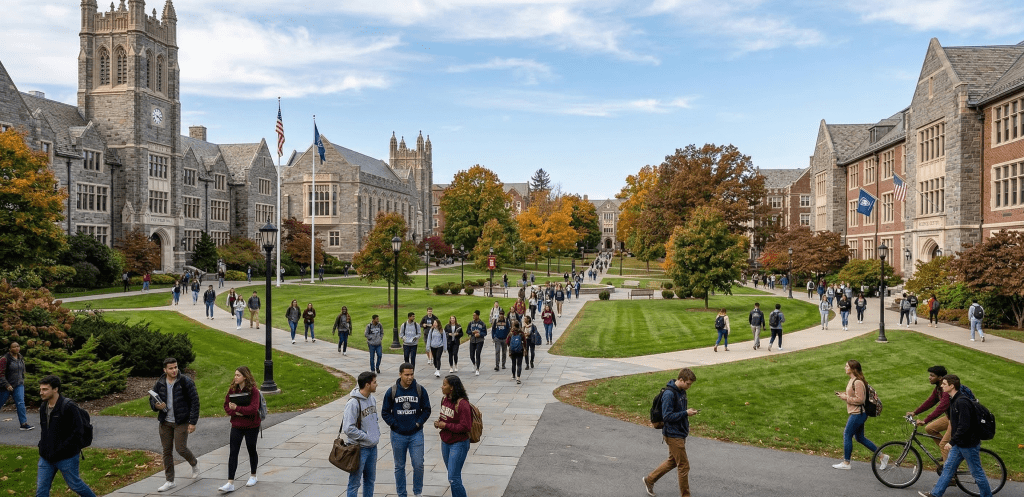
Gemini Generated Image ab1szaab1szaab1s
Students today face a far more complex career landscape than previous generations.
Rapid technological change, shifting employer expectations, and economic uncertainty have increased the importance of career guidance throughout the university experience.

Research shows that career counseling can significantly improve students’ career readiness, career decision-making confidence, and transition into the workforce (Alnajjar, 2024).

Students are also placing greater importance on career outcomes when choosing where to study. A national survey conducted by Inside Higher Ed and College Pulse found that 41% of students reported interacting with their university career center multiple times during their academic journey, highlighting the growing importance of these services (Inside Higher Ed & College Pulse, 2023).

Career guidance is no longer viewed as a final-year service. Students now expect support throughout their entire academic journey—from choosing internships to navigating their first job search.

Why Traditional Advising Models Struggle to Scale

For decades, career centers were structured around a relatively simple model: students would visit the office near graduation for resume reviews, interview preparation, and employer events.

That model worked when student populations were smaller and expectations around career outcomes were lower.

Today, however, universities face a different reality.

Career advising services typically rely on one-to-one coaching sessions, which are valuable but difficult to scale. Many career centers must support thousands of students with a very small advising team.

At many institutions, student-to-career-advisor ratios can exceed 1,800 students per advisor, making it extremely difficult to provide personalized guidance to every student who needs it (National Association of Colleges and Employers, 2024).

This structural challenge creates operational pressure across career services teams, including:

  • Increased appointment demand
  • Limited advising capacity
  • Advisor burnout
  • Uneven access to career guidance across student populations

As a result, many students only access career services once or twice during their entire degree program.

The Impact of Larger Student Populations

Gemini Generated Image cje1pwcje1pwcje1
Higher education has expanded dramatically over the past several decades.
 
Universities now enroll larger and more diverse student populations than ever before, which increases the complexity of providing career guidance at scale.
 
Career centers must now support students pursuing a wide range of career pathways, including:
 
  • traditional corporate roles
  • public sector careers
  • entrepreneurship
  • remote and digital work
  • emerging technology fields

At the same time, institutions are facing growing pressure to demonstrate employment outcomes and return on investment for students.

Research on university career guidance highlights that career counselors are playing an increasingly important role in supporting students’ career decision-making and employment readiness as higher education systems expand (Wang & Dizon, 2026).

This shift means career services teams must deliver more support than ever before—without a proportional increase in staffing.

Technology Solutions That Help Career Teams Scale

Universities are beginning to recognize that traditional advising models alone cannot meet the growing demand for career coaching.

Technology is emerging as a critical solution.

Digital platforms can help extend career guidance beyond the physical career center by providing students with access to tools and resources anytime.

Examples include:

  • AI-powered resume feedback tools
  • virtual mock interview platforms
  • career exploration assessments
  • digital job search guidance systems
  • career readiness tracking platforms

Research on computer-assisted career guidance shows that digital career tools can complement traditional advising by providing scalable support while still allowing students to access human coaching when needed (Khurumova, 2023).

Rather than replacing career advisors, technology allows career teams to extend their reach and provide support to more students simultaneously.

WriteSea Pro Tip:

The most effective career centers combine human coaching with scalable digital tools, allowing advisors to focus on high-impact mentoring conversations while technology supports routine career preparation tasks.

Designing Scalable Career Coaching Models

To keep up with rising demand, universities are beginning to redesign how career coaching is delivered.

Several scalable advising models are emerging across higher education.


Hybrid Career Coaching

Students access foundational career preparation tools online, while advisors focus on deeper coaching sessions that require human expertise.

Embedded Career Education

Career readiness modules are integrated into academic courses so that every student receives baseline career preparation during their studies.


Peer Career Mentorship

Trained student mentors help expand capacity by supporting resume reviews, internship searches, and job preparation workshops.

Career Readiness Platforms

Digital platforms allow students to access career resources independently while giving institutions better insight into student engagement and outcomes.

These models allow universities to shift from reactive advising to proactive career development systems that reach more students.

The Future of Career Coaching in Higher Education

Career coaching is becoming a central pillar of student success strategies across higher education.

But demand is rising faster than traditional career center models can handle.

Universities that succeed in the coming decade will be those that:

  • treat career readiness as a campus-wide priority
  • invest in scalable advising models
  • integrate technology into career services operations
  • expand access to career coaching earlier in the student journey

Career centers will remain essential to student success.

However, the future of career advising will depend on how effectively institutions adapt to rising demand—and how well they design systems that make career guidance accessible to every student.

Book Your Free Demo

See how WriteSea helps your team measure career outcomes, identify risk early, and improve engagement without the manual lift.

Subscribe to The Write Way

Get weekly strategies, insights, and pro tips on career readiness, outcomes measurement, and scalable systems for higher ed teams.

References

  1. Alnajjar, H. (2024). Exploring the Effectiveness of Career Guidance and Counseling Programs. https://pmc.ncbi.nlm.nih.gov/articles/PMC11534603/
  2. Inside Higher Ed & College Pulse. (2023). Survey: What College Students Want From Career Services. https://www.insidehighered.com/news/student-success/life-after-college/2023/11/30/survey-what-college-students-want-career
  3. National Association of Colleges and Employers (NACE). (2024). The Value of Career Services. https://www.naceweb.org/career-development/organizational-structure/the-value-of-career-services/
  4. Khurumova, V. (2023). Online and Computer-Assisted Career Guidance. https://pmc.ncbi.nlm.nih.gov/articles/PMC10074588/
  5. Wang, X., & Dizon, C. (2026). The Role and Practice of University Counselors in Students’ Career Guidance. https://www.researchgate.net/publication/401492067
cropped image 4

Leander Howard II

Leander Howard II is the Co-Founder and Chief Marketing Officer at WriteSea, an AI-powered career services platform transforming how students and job seekers navigate their professional journey. With a background in marketing, finance, and career coaching, Leander brings a unique blend of industry insight and entrepreneurial drive to the higher education space. He’s a passionate advocate for equitable access to career readiness tools and believes career support should be embedded across every student touchpoint. A Georgia State University alumnus, Leander is based in Tulsa, Oklahoma. Outside of work, he enjoys podcasting, running, and spending time with family and friends.

Ensure Every Student is
Career Ready

If you would like to be featured in WriteSea’s Executive Interview Series, please fill out this form.

Join The WritersBloc

Your Information