What Does an AI-Ready Graduate Actually Look Like?
What does it mean to be AI-ready? Explore the knowledge, skills and experiences universities should develop to help graduates use AI effectively, evaluate its outputs and make responsible decisions.
How can universities help students apply what they learn? Explore practical approaches to internships, course projects, campus employment, employer partnerships, and assessment that make career preparation part of the college experience.

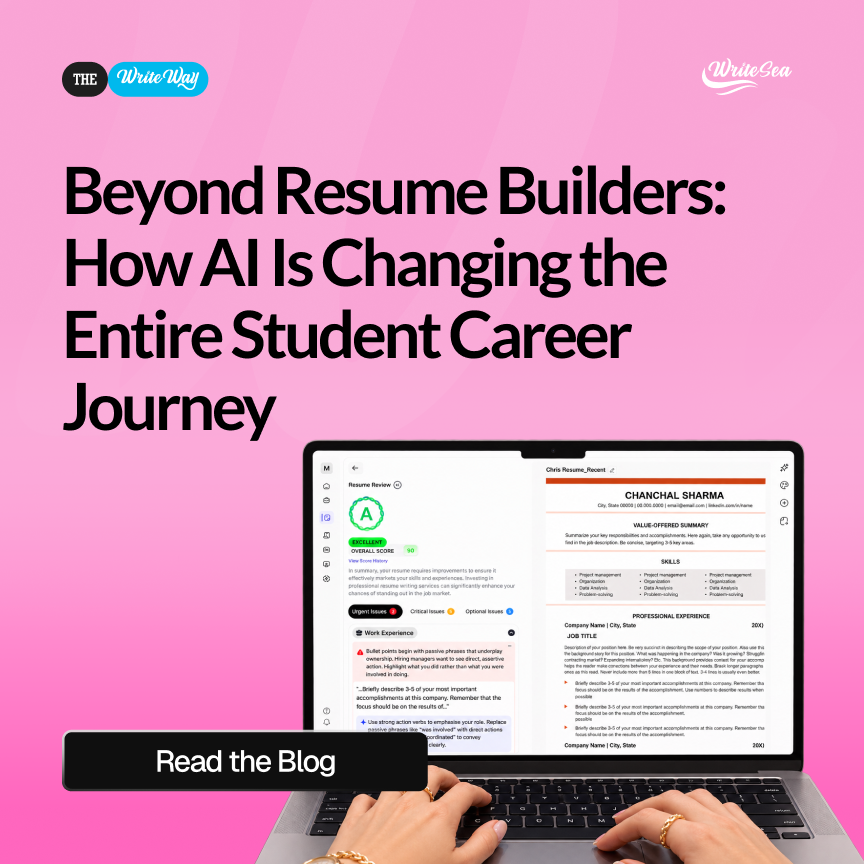
AI can do more than help students write resumes. Explore how higher education institutions can use AI to support career exploration, interview preparation, job searching and career development, while keeping human guidance at the center.
AI can do more than help students write resumes. Explore how higher education institutions can use AI to support career exploration, interview preparation, job searching and career development, while keeping human guidance at the center.

The U.S. Department of Education has set a January 15, 2027, deadline for outstanding FVT/GE reporting. Here’s what higher education leaders need to know about incomplete submissions, data corrections, and the transition to STATS.

Discover why career readiness, graduate employability and student outcomes are becoming increasingly important measures of university performance and reputation.

Discover why career readiness, graduate employability and student outcomes are becoming increasingly important measures of university performance and reputation.

Discover why career readiness, graduate employability and student outcomes are becoming increasingly important measures of university performance and reputation.

Discover how universities can measure AI readiness across technology, people, policy, learning, and workforce outcomes to build a coordinated AI strategy.

AI is changing how work gets done across industries. Explore the five essential AI skills universities should help every graduate develop before entering the workforce.

Explore how AI is reshaping graduate hiring, the skills employers value and how universities can prepare students for an AI-powered workforce.

Universities need more than strong career centers. Discover how an institution-wide employability strategy can connect learning, careers, employers, and outcomes.

Employers increasingly want evidence of what graduates can do, not only the credentials they hold. Discover how universities can embed, measure and communicate skills across the student experience.

AI is moving from standalone tools to connected student-support workflows. Explore what career centers should expect in 2027—and how to prepare without losing the human guidance students need.

High-performing career centers do more than offer appointments and host career fairs. Explore the leadership, technology, engagement, and measurement strategies that set them apart.

Learn why lifelong career support is becoming essential for universities. Discover how alumni career services strengthen engagement, improve graduate outcomes, and create long-term institutional value.

Discover how skills-based career pathways are transforming higher education and how universities can better prepare students for career success through skills-based education.

Discover why career services is a strategic investment that drives enrollment, graduate outcomes, and long-term institutional success.

Learn how universities can transform alumni into mentors, employers, and long-term partners in career readiness through a connected engagement strategy.

As online education continues to grow, universities must rethink how they deliver career services. Discover how digital-first, scalable career support can better prepare online students for career success.

Explore how AI is transforming career preparation and how career centers can help students use AI tools to build skills and prepare for long-term success.

Discover why career services should own the employability narrative to align departments, strengthen outcomes, and showcase student success.

Discover why colleges are moving beyond job placement rates to measure career readiness, workforce skills, and long-term student success.

Discover how admissions and career services partnerships can improve enrollment, showcase career outcomes, and strengthen student success.

Higher education is rethinking internships as AI, remote work, and employer expectations reshape workforce readiness and career prep.

Universities are evolving beyond traditional career services by building connected ecosystems that improve engagement and workforce outcomes.

Universities are investing heavily in career readiness, yet many students still never engage with career services, creating major institutional risks.

Career support shouldn’t start in a student’s final year. This blog explores why embedding career services into first-year programs leads to stronger engagement and measurable outcomes.

Career coaching demand is rising fast—but most institutions can’t scale 1:1 support. Here’s how universities are adapting with smarter, scalable models.

In 2026, career outcomes are no longer just a metric. They are becoming a defining factor in how universities compete, recruit, and grow.

Universities are being pushed to prove real career outcomes, yet responsibility for employability is still fragmented. This blog explores why career services should lead a more unified approach.

Most career services websites don’t reflect how students actually search, decide, and take action. Here’s how to fix UX, messaging, and conversion.

Career services is no longer a support function—it’s a strategic driver of student success. Learn how institutions can connect career readiness to measurable outcomes across the student lifecycle.

Students aren’t asking for more workshops—they’re asking for outcomes. Explore how career services can shift toward measurable impact and real employability results.

Universities are seeing rising demand for career coaching, but most centers lack the capacity to meet it. This article explores the challenges behind growing advising demand and how institutions can design scalable career coaching models.

Career services is no longer just a student support office. Universities now recognize it as a strategic driver of enrollment, retention, and reputation. This article explores how institutions are repositioning career services as a key engine for long-term growth.

Many career centers don’t have an effort problem—they have a visibility problem. This article explores why students overlook career services and how institutions can reposition them as visible, embedded partners across the student journey.

Students aren’t avoiding career services because they don’t care about their future. This article explores the psychological and structural drivers of disengagement—and how institutions can redesign strategies to meet students where they are.

AI is not the end of career centers — it’s their evolution. Universities that blend human coaching with AI tools are creating scalable, data-driven, and student-centered career ecosystems that improve outcomes and institutional value.

Career centers are no longer back-office services—they are strategic engines shaping enrollment, retention, and rankings. Universities investing in employability infrastructure strengthen competitiveness and long-term student outcomes.

Career centers are evolving into data-driven employability ecosystems. Universities are now redefining metrics, staffing models, and scalable strategies to meet rising accountability pressures and their enrollment demands.

When students see real alumni outcomes and career pathways, uncertainty turns into direction. Transparent career data builds confidence, reduces anxiety, and strengthens engagement across the student journey.

Many students avoid career services not because they lack ambition, but because the value feels unclear or poorly timed. This blog breaks down real barriers and practical fixes universities can implement to increase engagement at scale.

Poor graduate outcomes don’t just impact students—they create institutional risk. This blog explores how outcomes affect reputation, enrollment, employer trust, and financial stability, and how leaders can reduce risk with outcomes analytics.

Career readiness is emerging as a key differentiator in a crowded higher-ed market. This blog explores how student expectations, measurable outcomes, and scalable systems are shaping competitiveness in 2026—and what leaders must do now.

Universities must support alumni and adult learners with career mobility tools that enable reskilling, mentorship, and job access as workforce needs evolve—creating lifelong value beyond graduation.

Student behavior, skills demand, and job search trends are shifting rapidly. Discover what universities must do to adapt, modernize career strategies, and support graduate success in 2026 and beyond.

AI is reshaping higher-ed career services in 2026—from predictive analytics to on-demand coaching and automated resume tools. Discover the trends, risks, and roadmap leaders need to implement AI ethically and effectively.

Strong branding can transform university career services from overlooked offices into visible, trusted campus resources. Learn how strategic messaging and positioning boost awareness, engagement, and student impact.

Your alumni are your most powerful career asset. Learn how to create mentoring programs that empower students, strengthen outcomes, and build lifelong community.

With only three months left in 2025, employers are clear: graduates need more than credentials. Here’s how universities can show evidence of career readiness.

With only three months left in 2025, employers are clear: graduates need more than credentials. Here’s how universities can show evidence of career readiness.

With only three months left in 2025, employers are clear: graduates need more than credentials. Here’s how universities can show evidence of career readiness.

With only three months left in 2025, employers are clear: graduates need more than credentials. Here’s how universities can show evidence of career readiness.

With only three months left in 2025, employers are clear: graduates need more than credentials. Here’s how universities can show evidence of career readiness.

With only three months left in 2025, employers are clear: graduates need more than credentials. Here’s how universities can show evidence of career readiness.

With only three months left in 2025, employers are clear: graduates need more than credentials. Here’s how universities can show evidence of career readiness.

Gen Z expects ROI, embedded career prep, and future-ready skills. This blog explores how higher ed can meet these expectations in 2025 and beyond.

Learn how to embed career services in curriculum with practical steps. This guide shows embedded career prep and faculty career partnerships in action.

Learn how to move beyond appointment logs and workshop counts with outcome-based metrics that prove ROI, secure funding, and showcase your career center’s true impact.

Unlock the power of career outcome data—demonstrating graduate success stories builds trust and fuels enrollment.

Facing low engagement, budget cuts, and rising pressure? Discover 7 urgent career services challenges and how to solve them in 2025.

Ghosted by students? Learn why it happens—and how your career services team can rebuild trust and re-engage students in 2025.

Outdated KPIs won’t cut it in 2025. Discover the new career services metrics that matter most—and how to start tracking them now.

Discover the latest metrics driving career services success in 2025 and how they can improve student outcomes.

Learn 18 essential onboarding questions to personalize career support and boost student success.

Explore proven strategies to build students’ employability skills and prepare them for future careers.

Explore how AI is transforming career services in higher education. Discover AI-powered tools for resume optimization, personalized advice, and job matching. Learn about the benefits, challenges, and future trends of AI in career guidance. See how institutions can implement AI to enhance student support and improve job placement.
Explore What's Next: Writesea Webinars!